

The Clubhouse Method™ for Schools · Now booking 2027
Less refereeing.
More kids working it out.
The Clubhouse Method turns recess into practice time for the skills kids need for friendships, frustration, conflict and group play. The result is calmer recess, better behavior and more time to learn.
Most schools teach the skills. We're where kids practice them.
Book a 15-minute callSpring 2027 Pilot- Fully cleared and insured
- No class time
- No teacher prep
- Real data
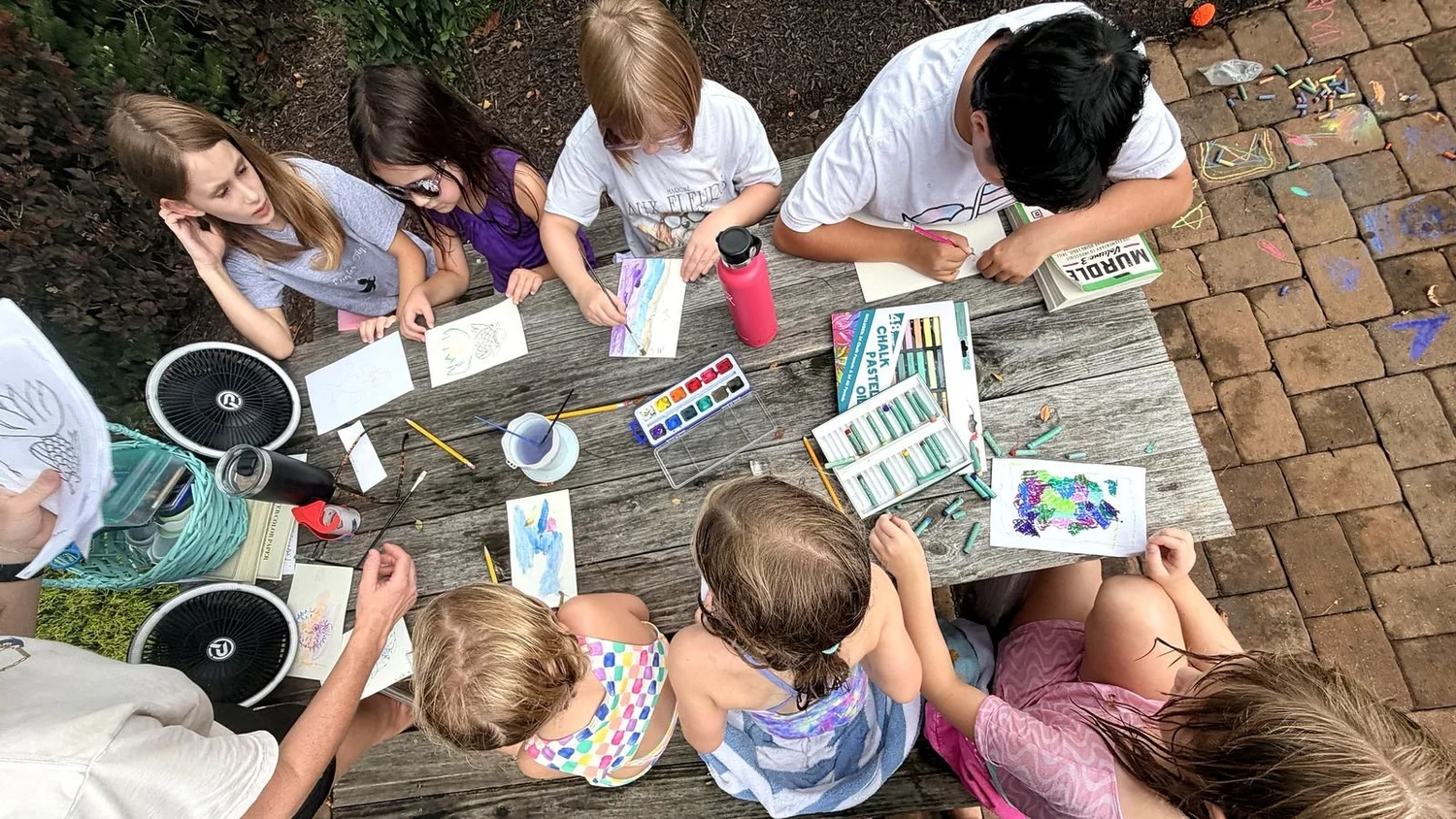
You know these moments
They start at recess. They end up in your office.
Nobody has to plan these moments. We're prepared to support them.
Recess is more than a break
It's where kids practice friendship, frustration and fairness, in real time.
But time for recess doesn't mean every child feels included, supported or ready to join in. The adults at recess make the difference.
Play with a purpose
Same recess. One big difference.
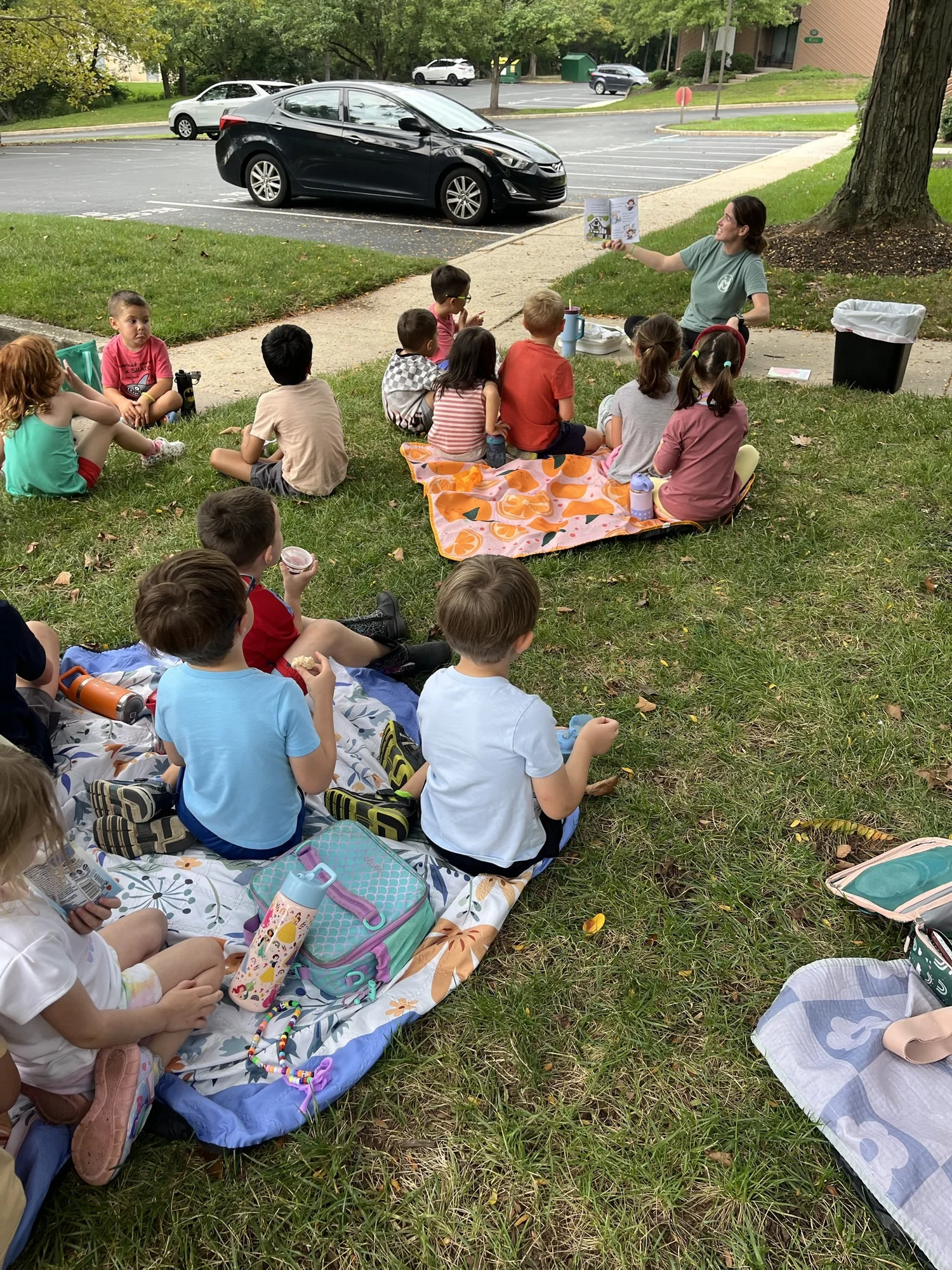
Right alongside the usual recess play, kids join clubs that build creativity and strategy through crafts, games and movement.
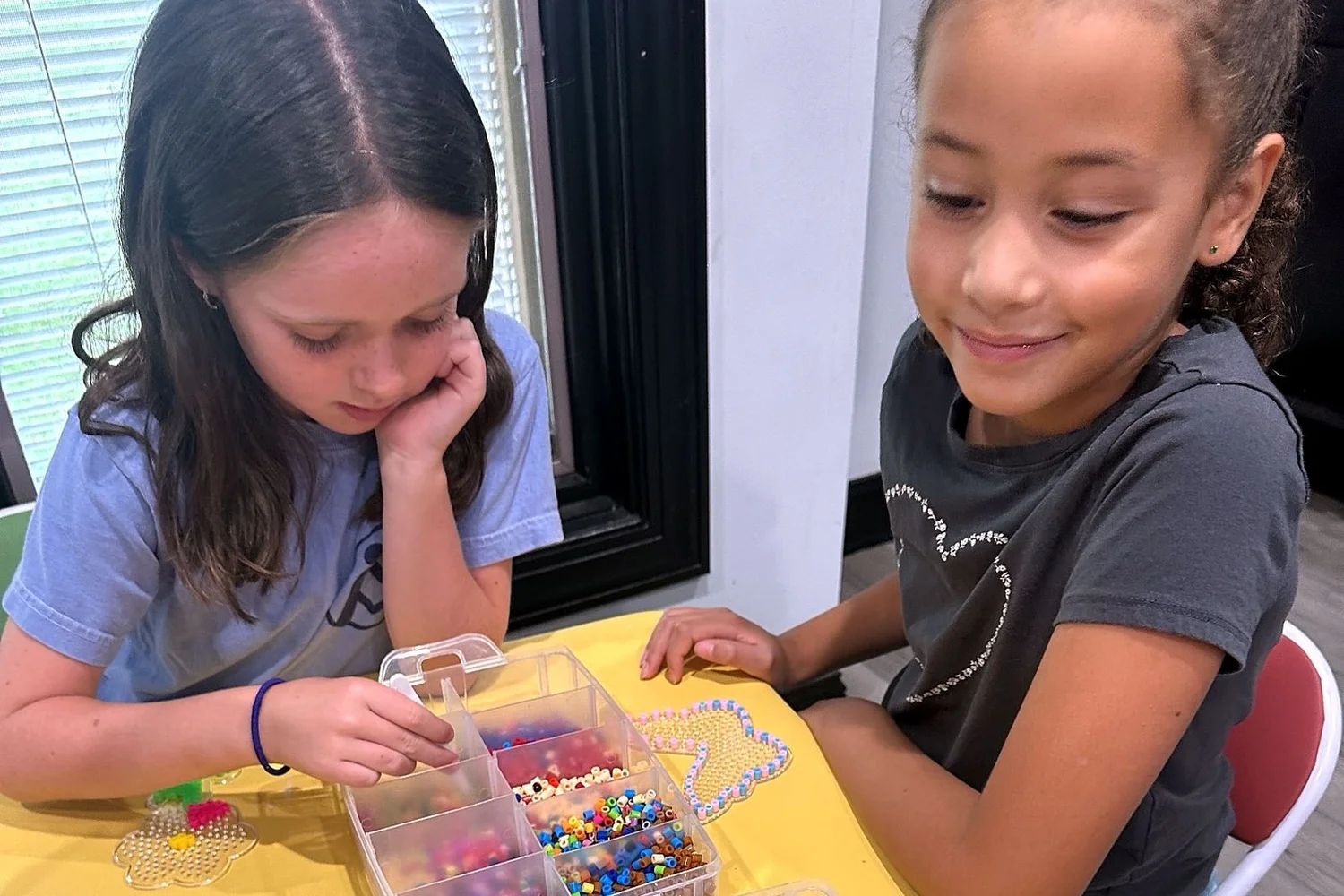 Crafts
Craft and Create
Crafts, building and creative projects.
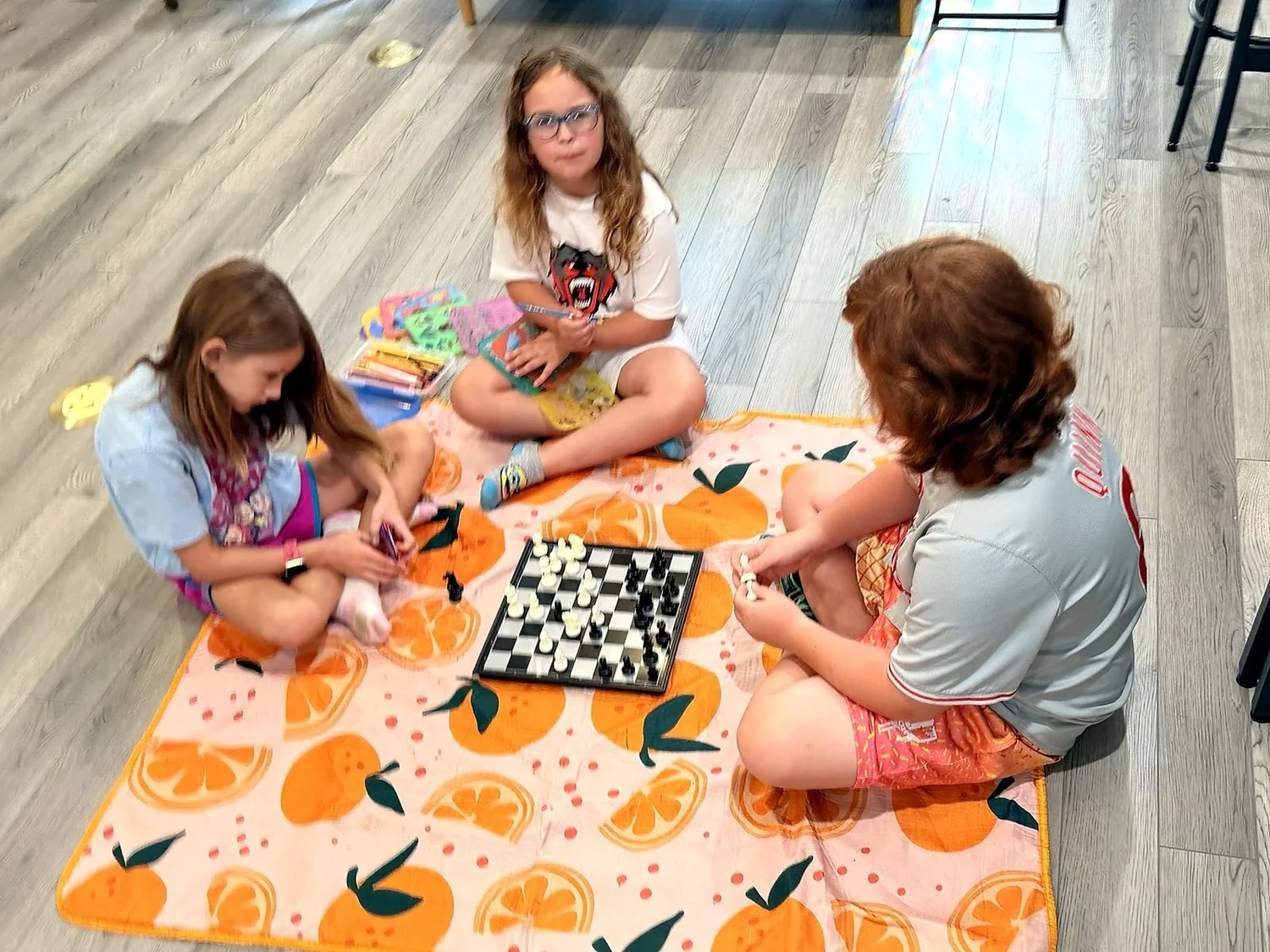 Games
Game Table
Chess, strategy and card games.
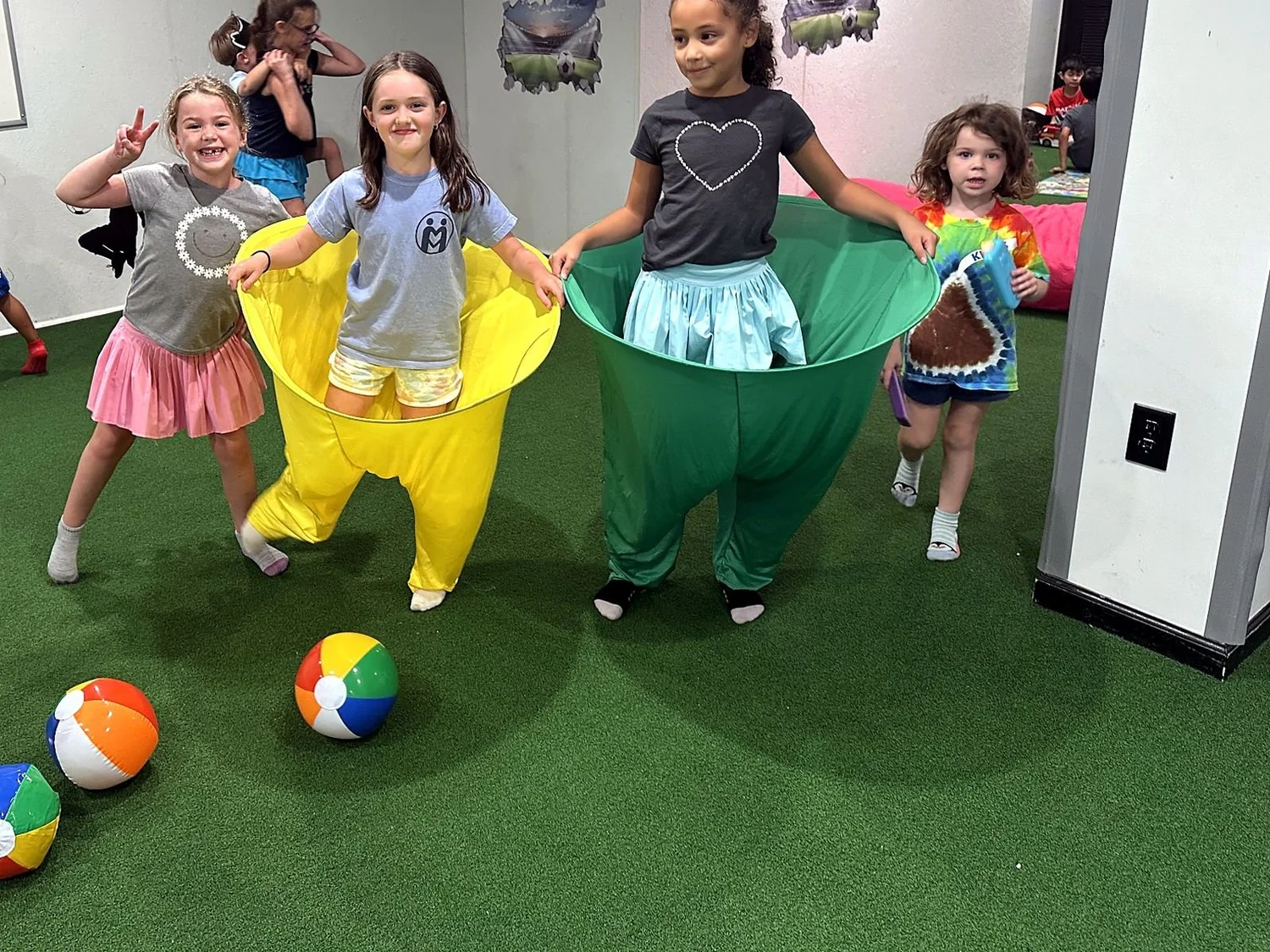 Movement
Move Club
Staff-led movement games for the whole group.
The Method
The difference is the adult support.
Activities are the starting point. Instead of just monitoring behavior, trained staff help kids join in, model the words, coach problem-solving and guide them through frustration.
Real moments
Clubs are set up so the hard moments happen on their own. No scripts.
Model the skill
One skill a week, modeled the same simple way every time.
Let them try
Staff name it, ask, and let kids try their own fix first.
Carry it over
Your aides, teachers and families get the same words for the rest of the week.
The goal isn't to stop every disagreement. It's to help kids handle those moments on their own over time.
The easy yes
You give us recess. We give you back the rest of the day.
We bring the staff, the clubs and the plan.
What it takes from you
- One day a week on your recess schedule
- A corner of the yard or gym for the club zone
- A 15-minute call to get started
Zero class time · Zero teacher prep · Zero new staff
What you get
- Trained, fully cleared Clubhouse staff at every recess on your day
- Clubs for crafts, games and movement, open to every child
- Aides with a plan and the same words for the other four days
- A baseline and a written report for your board, climate and MTSS goals
- Fewer conflicts walking back into class and into your office
See it with your own students.
A 15-minute call, then a free demo recess for one grade. No cost, no commitment.
The details
Everything a principal asks first.
Tap any topic to open it.
01Why recess, why now"We just went out and played." That practice is gone.
Kids used to figure out who's first, who's out and what's fair on their own, every day. The expectations are still there. We're bringing back the practice, with a supportive adult nearby when it gets hard.
02How we're differentNot another lesson. Not another game day.
Typical options
- SEL lessons in class, hoping skills reach recess
- One big organized game run by a coach
- Another program for teachers to learn
- Results told in stories
The Clubhouse Method
- Coaching at recess, in the real moment
- Kids choose a club, so they want to be there
- No class time, no teacher prep
- A baseline and a written report from your recess
03Safety and privacyClearances, training and insurance
- PA Child Abuse, State Police and FBI clearances
- Mandated reporter trained
- CPR and First Aid certified
- Never alone with a student
- Certificate of insurance naming your school
- Class-level data only. No labels, no scores.
Spring 2027 · Founding Schools
Be first.
A small group of founding schools will launch The Clubhouse Method this spring, February to April, and set the standard for what recess can be.
Become a founding schoolStarts with a free call and demo recess. Sign by January 15.
2027-28 school year
Full-year programs start next fall.
Clubhouse days are limited. Founding schools choose first, then days open to all schools. Planning your budget now? Book a call and we'll give you what you need for your request.
Common questions
Quick answers.
How is pricing set?
By enrollment. You'll have a written quote within 48 hours of your demo recess.
Does this replace our SEL curriculum?
No. It completes it. Your classroom program teaches the skills; recess is where kids practice them. Aligned to CASEL's five competencies and Pennsylvania's Career Ready Skills.
What happens after the pilot?
There's no obligation to continue. Schools that want more move into a full-year program for 2027-28, and founding schools choose their days first.
Who's behind it
Recess is where kids either fall apart or learn to work it out. We support them in building the skills and confidence to get there. Calmer classrooms today, stronger kids for life.
Nicole WeirichFounder, The Clubhouse · M.S. in School Psychology
I spent 13 years in schools as a special education teacher, coordinator and compliance lead. I wrote recommendation after recommendation for kids who needed more practice with social skills, and kept seeing there was nowhere for them to actually get it. So I built it. The Clubhouse Method brings what works at The Clubhouse to your recess, so every child gets the practice.
Let's talk
Social skills aren't just taught. They're practiced.
Let's strengthen recess at your school. A 15-minute call, then a free demo recess.
Book a 15-minute callQuestions? 610-390-2873 or nweirich@theclubhousewc.com
Sources
Sources
- Tsai, M. M., Olarte, D. A., Hager, E. R., Cohen, J. F. W., & Turner, L. (2024). Prevalence of recess and supportive practices at a nationwide sample of public elementary schools in the United States. Journal of School Health, 94(4), 366–373. 559 schools; data collected 2019–20. doi.org
- Blad, E. (2026, August 3). 75% of educators expect student behavior to be a challenge this year. What else? Education Week. EdWeek Research Center survey of 1,000+ teachers and school and district leaders, April–June 2026. www.edweek.org
- National Center for Education Statistics. (2024, April 16). Most schools report some concern about students meeting academic standards and issues related to staffing shortages [Press release]. School Pulse Panel, 2023–24 school year. ies.ed.gov
- National Center for Education Statistics. (2024, October 17). Most U.S. public elementary and secondary schools faced hiring challenges for the start of the 2024–25 academic year [Press release]. School Pulse Panel. nces.ed.gov
- Arnold, J. P., Stellino, M. B., Özkoca, N., Belcher, D. J., & Massey, W. V. (2025). The role of adult support in mitigating students' feelings of unwelcomeness at recess. Journal of School Health. 483 elementary students, four time points across one school year. doi.org
- Centers for Disease Control and Prevention. (2024, July 1). Recess. Physical Activity Education. www.cdc.gov
- Ha, C., McCarthy, M. F., Strambler, M. J., & Cipriano, C. (2025). Disentangling the effects of social and emotional learning programs on student academic achievement across grades 1–12: A systematic review and meta-analysis. Review of Educational Research. 40 studies, 33,700+ students. doi.org